
Why Looking Credible While Traveling Is a Skill, Not a Style
Why looking credible is less about style and more about judgment, consistency, and reducing friction under pressure.
3 min read
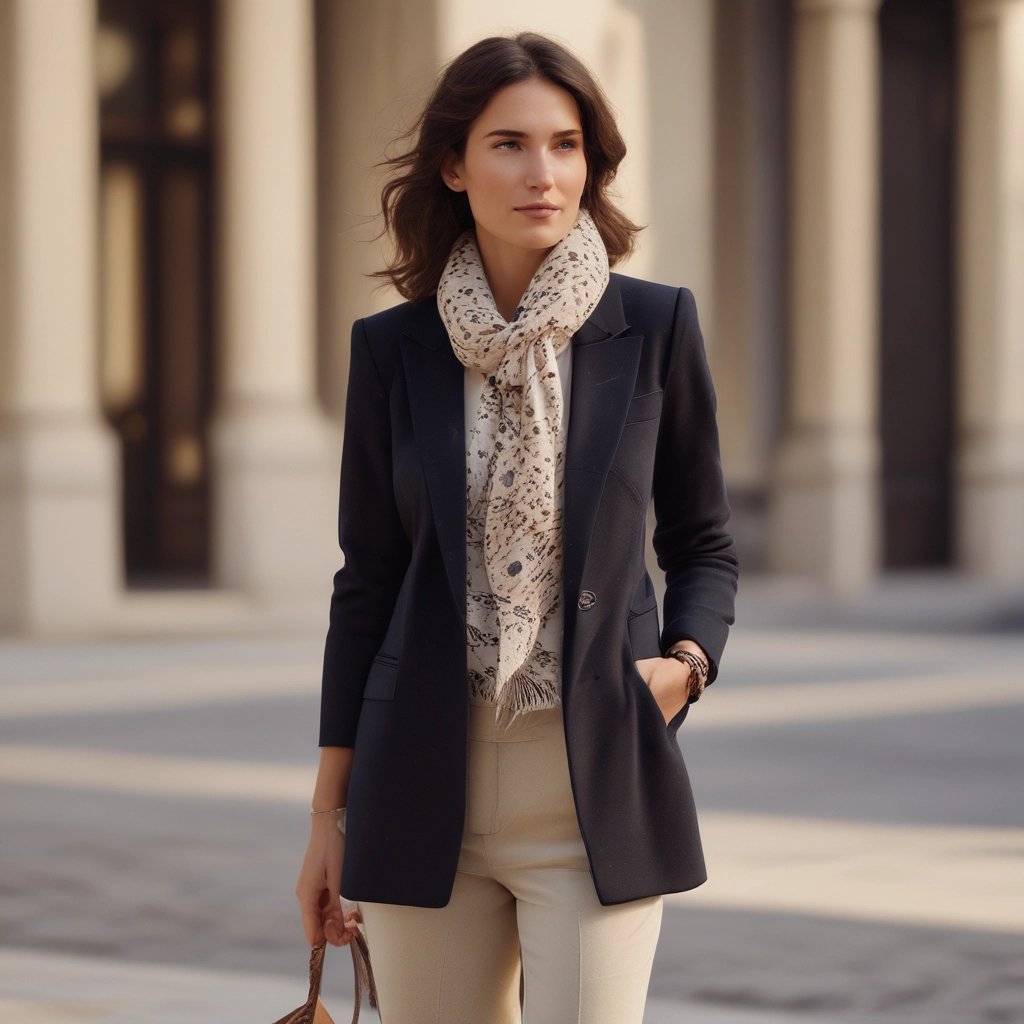
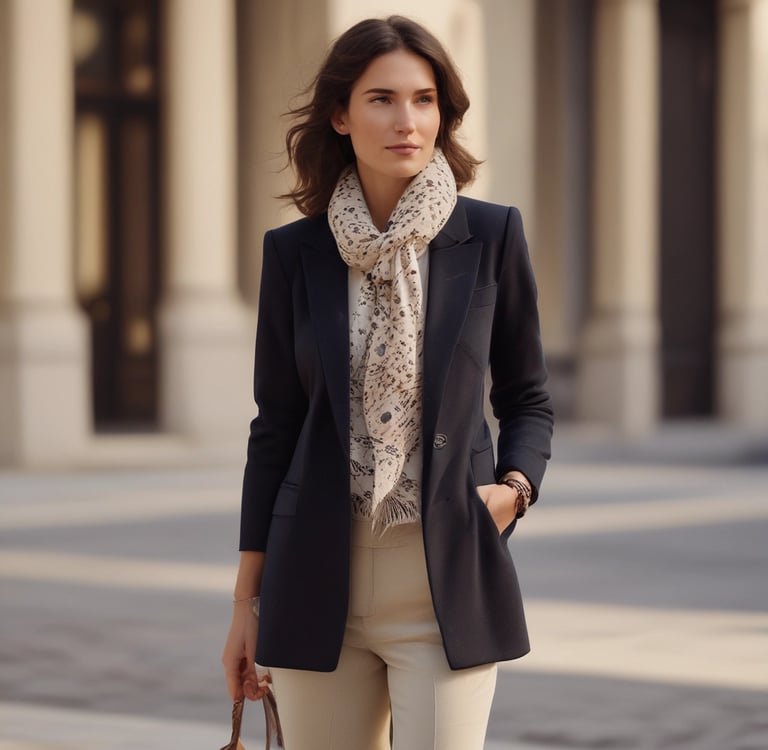
Credibility is often mistaken for something you either have or you don’t. A function of title, experience, or personality. When you travel for work, you quickly learn that credibility is also situational—and fragile.
It is shaped by context, timing, and perception. By how you arrive. By how you move through unfamiliar spaces. By whether you appear prepared, grounded, and at ease when everything around you suggests you should not be.
This is why looking credible while traveling is not about style in the conventional sense. It is a skill.
Credibility reduces friction
In professional travel, friction is everywhere. Airports, border crossings, new offices, temporary accommodations, rooms full of people who do not know you. Every moment of hesitation—every signal of uncertainty—adds weight to an already demanding day.
Looking credible lowers the temperature of these interactions. It allows you to pass through spaces without explanation. It buys you a margin of trust before you speak.
This has very little to do with trends or self-expression. It has everything to do with legibility. Being easy to read in the right way.
Style, in this context, is strategic
When your schedule is compressed and your energy finite, what you wear needs to do more than look appropriate. It needs to work predictably across environments.
This is why the most effective work travel wardrobes are restrained. Neutral palettes that translate. Shapes that hold their structure. Fabrics that behave. Nothing that requires constant adjustment or attention.
Within that restraint, there is room for personality—but only in controlled doses. A patterned silk scarf. A distinctive watch. A texture or color that feels intentional rather than expressive. These details do not compete with your role. They support it.
The point is not to be memorable for what you’re wearing. The point is to be remembered for your competence.
The cost of getting it wrong
Experimentation is often framed as confidence. In work travel, it can read as distraction.
An untested outfit, a new shoe, an unfamiliar silhouette—all of these demand attention from you at exactly the wrong moment. They pull focus from the work itself. They introduce self-consciousness where steadiness is required.
Over time, experienced travelers learn to eliminate these risks. Not because they lack creativity, but because they understand the stakes. When your body is tired and your environment unfamiliar, you want as few variables as possible.
What remains is not boring. It is deliberate.
Looking credible is about self-regulation
There is also an internal dimension to this skill. Looking composed affects how you feel.
When you are dressed in a way that aligns with your role—without discomfort or fuss—it stabilizes you. It reinforces a sense of continuity when everything else feels disjointed. It helps you arrive mentally, not just physically.
This is particularly important when traveling frequently, where days blur and routines dissolve. Clothing becomes one of the few anchors you can rely on.
In that sense, credibility is not just something you project. It is something you use.
A skill refined over time
No one masters this immediately. It is learned through repetition, missteps, and attention. Through noticing what holds up under pressure and what quietly fails. Through understanding the environments you move through and the expectations they carry.
This site is not interested in prescribing a uniform or aesthetic. It is interested in helping you develop that judgment—to recognize what supports you and what drains you, what travels well and what does not.
Looking credible while traveling is not about perfection. It is about alignment. Between who you are, what you do, and how you show up—consistently, even when you are tired.
That alignment, once learned, becomes a form of ease. And in the context of work travel, ease is one of the most valuable skills you can have.