How I Arrive (Relatively) Refreshed After a Long-Haul Flight
Long-haul work travel doesn’t leave room for recovery—so how you prepare matters. These simple, reliable systems help you arrive clear-headed, composed, and ready to step straight into the day.
4/5/20264 min read


There is a particular kind of travel that doesn’t allow for recovery.
The overnight flight where you land in the morning, clear immigration, and go straight to a meeting. Or the trip where you simply want to arrive functional—clear-headed, presentable, and capable of thinking in full sentences.
I’ve done this more times than I can count—red-eyes from the U.S. to the Middle East and Europe, where sleep is inconsistent at best and expectations are not. Over time, I’ve learned that arriving “refreshed” is less about luck and more about a handful of small, deliberate systems.
Nothing here is complicated. But it works.
Hydration is non-negotiable
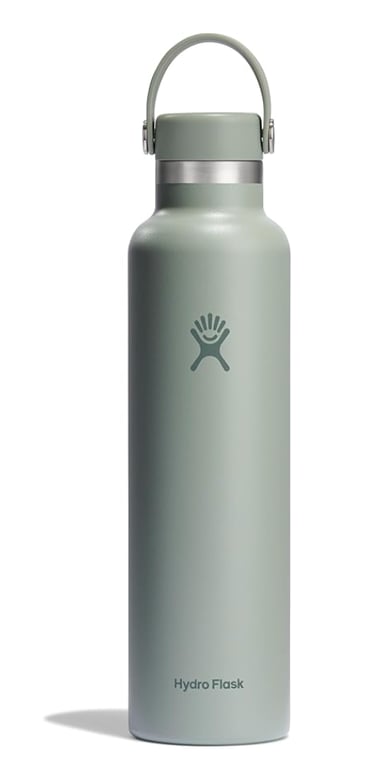
I travel with two insulated water bottles. Both are empty of liquids, but one has a scoop of electrolyte powder in the bottom. After TSA, I find the best coffee shop and order an iced coffee (or pick your favorite caffeinated drink) and a large cup of water to mix with the electrolytes.
The electrolytes are the real strategy. I sip them steadily throughout the flight. It’s the single most reliable way I’ve found to arrive feeling remotely human.
The coffee, on the other hand, is saved. For either when I wake up mid-flight or just before landing and need that infusion of caffeine. It’s a small detail, but it feels like a reward — something to indulge in after a rough night of sleep.
I strongly prefer water bottles without straws or complex lids. Make sure to wash as soon as you arrive at the hotel.
Sleep—however imperfect—is still vital
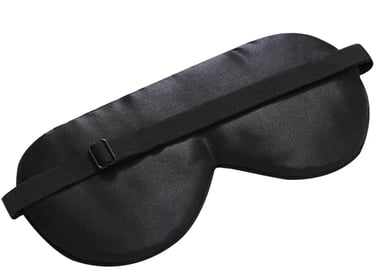
A simple eye mask is essential. Not optional.
Even when I don’t fully sleep, blocking out light gives my body a chance to rest. It makes a noticeable difference in how quickly I adjust on arrival.
You are not aiming for perfect sleep. You are aiming for enough.
Skin: minimal, but intentional
Airplane cabins are uniquely unkind — dry, stale, and somehow still make my skin feel greasy.
When I’m on my game, I’ll wash my face at the start and end of the flight, followed by a simple moisturizer. After years of trial and error, I tend to stick with products that are gentle and reliable. Nothing experimental; use whatever products work for you.
If that feels excessive, a more practical alternative:
pre-soaked cotton pads with high-quality micellar water in a small ziplock bag. It takes thirty seconds, requires no sink, and is surprisingly effective — especially on more chaotic travel days.
Eyes make a difference
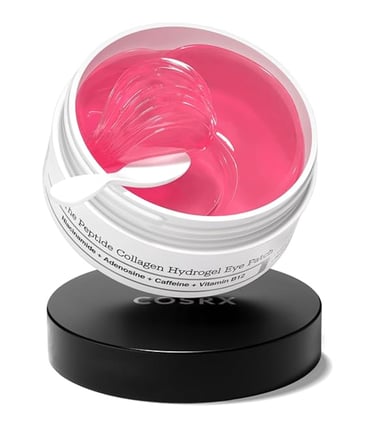
I take care of my eyes.
Together, they create the illusion — and often begets the reality — of being more awake than I feel. Which, in many cases, is enough.
Eat quality food
Plane food is inevitably a salty, mushy disappointment. Whenever possible, I pack:
My favorite takeout from home; or
Something simple from the airport; and
Snacks
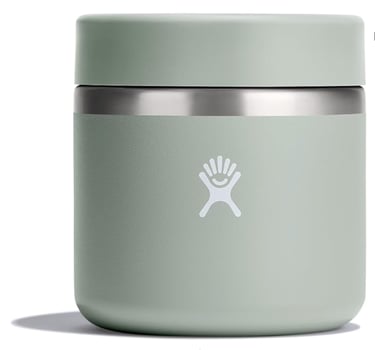
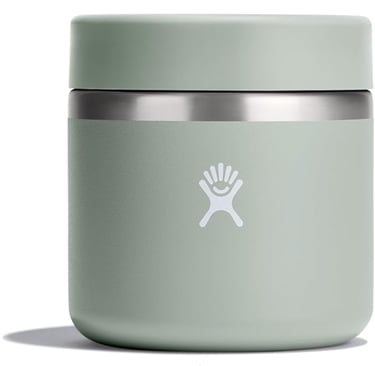
It’s a small upgrade, but it changes the tone of the flight. Having a meal you actually want to eat makes the entire experience feel more manageable. If you’re worried about cold storage, here’s the thermos I use.
Comfort, with standards
Comfort matters — but so does being able to step off the plane and into the day without needing to reset entirely.
My baseline:
Comfortable pants that still look intentional. (Spanx makes a decent version — that pass for work pants, but feel like leggings — but TBH I’m still on the hunt for the perfect pair of travel pants)
Layers for temperature swings
I don’t need to be perfectly dressed. I do need to avoid looking like I’ve given up, especially when traveling with colleagues.
The small things that quietly save you
These are the items that earn their place every time:
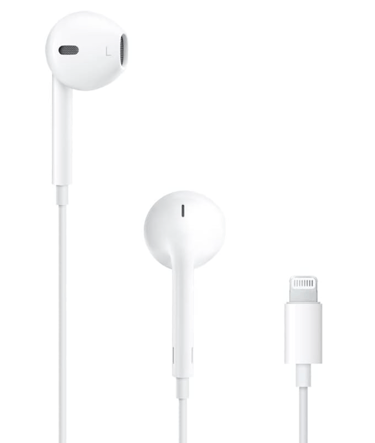
Wired headphones (reliable, inexpensive, no charging required)
Neck pillow (a friend recommended this one with a funky shape, and I’ll never go back)
A change of underwear (never a bad idea)
Read something real
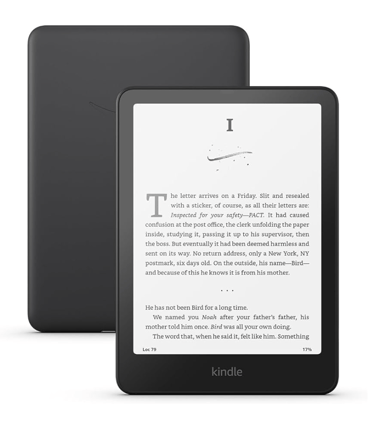
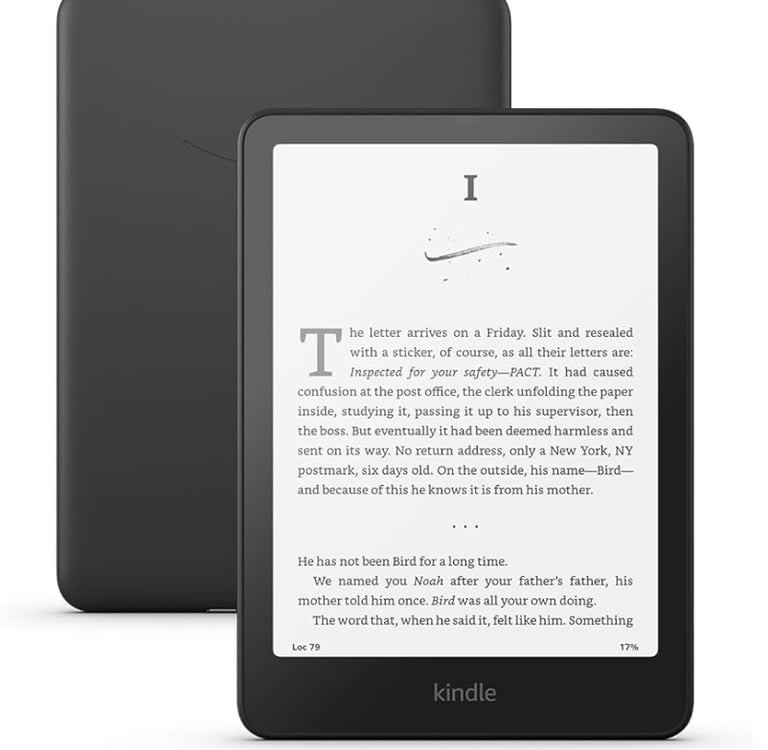
I usually bring both a tablet or Kindle and a paperback.
The tablet is practical — briefing materials, last-minute reading, logistics.
The paperback is intentional.
There is something grounding about reading a physical book on a plane. It slows you down, even briefly. It also feels, in a quiet way, like you have your life together — even if you slept two hours and your body has no idea what time it is. I try to pick something related to where I"m traveling.
None of this is about optimizing the flight into something pleasant. It rarely is.
It’s about arriving in a state that allows you to function — clear enough, composed enough, and prepared enough to step directly into whatever is waiting for you.